As traditional degree pathways evolve, skill-based training programs have emerged as a powerful alternative for individuals seeking practical, career-ready education. These programs emphasize real-world experience, measurable competencies, and faster entry into the workforce. From creative industries to healthcare and technical fields, skill-focused education allows learners to align their interests with modern job demands while maintaining flexibility and affordability.
By choosing the right training model and understanding how each program supports long-term career development, learners can build sustainable paths rooted in expertise rather than credentials alone. The following sections provide actionable guidance for evaluating and succeeding in today’s most relevant skill-based training opportunities.
Develop Discipline and Focus Through Physically Structured Training
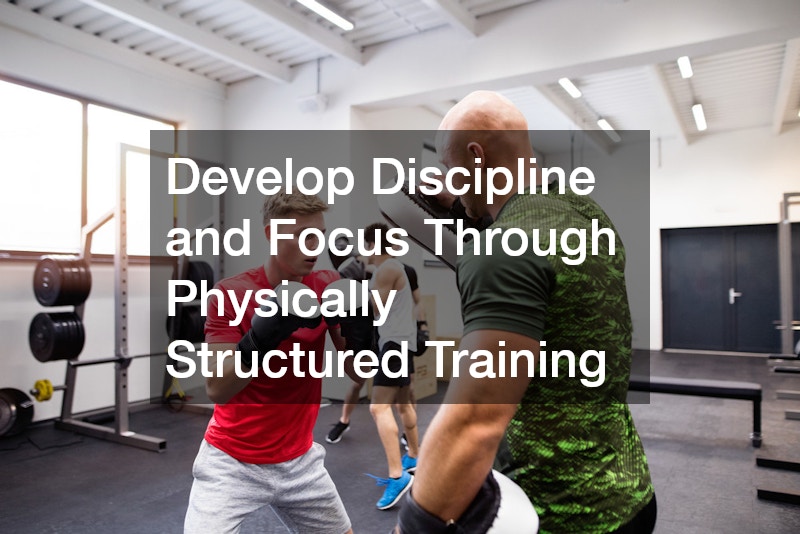
Programs that combine physical engagement with structured learning help learners build discipline, confidence, and mental resilience. These traits are essential in careers that demand consistency, stress management, and self-motivation.
Participation in a martial arts class teaches goal-setting, accountability, and controlled execution under pressure. These attributes extend beyond physical practice and support success in leadership roles, coaching, security services, and wellness professions. Choosing training that strengthens both mind and body creates a strong foundation for long-term professional growth.
Turn Creative Craft Skills Into Marketable Expertise
Creative skill-based programs thrive when they blend artistic expression with technical mastery. Hands-on learning allows individuals to transform personal interests into income-generating abilities.
Instruction in embroidery develops precision, patience, and design literacy while introducing learners to materials, pattern construction, and production workflows. These skills are transferable to careers in fashion, textile design, home décor, and custom merchandise. Structured creative training helps learners move from hobbyist to professional with confidence.
Build Client-Ready Skills Through Licensed Beauty Training
Industries that require direct client interaction benefit from programs that emphasize practice, professionalism, and regulatory compliance. Skill-based education ensures learners are prepared for real-world expectations from day one.
Enrollment in cosmetology classes provides hands-on experience with hair, skincare, and beauty services while reinforcing sanitation standards and customer communication. These programs prepare learners for licensure and employment in salons, spas, or independent businesses, making them a strong option for those seeking flexible, people-focused careers.

Use Seasonal Learning to Explore Career Interests Early
Short-term programs offer valuable opportunities to explore potential career paths without long-term commitment. These experiences help learners identify strengths and interests while building foundational skills, giving them a clearer sense of direction before investing in more intensive education or certification programs.
Career-focused summer camps expose participants to creative, technical, and leadership-based activities in an immersive environment. Early exposure encourages informed decision-making, builds confidence, and reduces uncertainty when choosing advanced training later. Seasonal programs are especially effective for younger learners or those considering a career change, as they provide hands-on experience, mentorship, and practical insight into different fields, helping participants make well-informed decisions about their future career paths.
Pursue High-Responsibility Careers Through Technical Training
Some career paths require intensive, specialized instruction that prioritizes safety, precision, and accountability. Professions in technical and high-responsibility fields demand not only skill but also strict adherence to protocols, regulations, and best practices. Skill-based programs in these industries are carefully structured to meet rigorous standards, ensuring learners gain both the knowledge and practical experience needed to perform effectively under pressure. By focusing on applied training and real-world scenarios, these programs reduce risk while preparing participants for the challenges they will face in professional environments.
Comprehensive flight school training exemplifies this approach by combining detailed classroom instruction with supervised flight hours, simulator practice, and scenario-based exercises. Learners develop technical proficiency in aircraft systems, navigation, and emergency procedures while cultivating critical decision-making and risk-assessment skills. This dual emphasis on theory and practice ensures that graduates are not only competent in the mechanics of flying but also confident in handling unexpected situations safely and effectively.
In addition to technical mastery, flight school programs often include lessons in teamwork, communication, and adherence to regulatory standards, which are essential for careers in commercial aviation, private piloting, or flight instruction. Structured milestones, such as logged flight hours and certification exams, provide clear benchmarks for progression and career advancement. By pursuing technical training in high-responsibility fields, learners gain both the expertise and accountability mindset necessary to succeed in roles where precision, safety, and reliability are paramount, making such programs a powerful investment in long-term professional growth.
Prepare for Creative Professions That Require Precision and Trust
Creative careers that involve permanent or high-stakes work demand rigorous training and adherence to professional standards. Unlike some artistic endeavors where mistakes can be corrected, professions such as being a tattoo artist require precision, consistency, and an understanding of ethical responsibilities. Skill-based programs are uniquely positioned to provide this combination of technical mastery and professional accountability, ensuring learners are prepared to meet client expectations and industry regulations.
Structured pathways for becoming a tattoo artist typically include comprehensive instruction in design techniques, shading, color theory, and tool handling, alongside critical hygiene and safety practices. Students also learn to interact professionally with clients, manage expectations, and handle sensitive situations, all while building a strong portfolio that demonstrates their skill and style. This holistic approach fosters both creative expression and accountability, helping learners develop a reputation for quality and reliability, essential components in a competitive and highly personalized industry.
Beyond technical skills, training programs emphasize business and client-management skills, such as appointment scheduling, customer service, and ethical considerations, which are vital for sustaining a successful career. Mentorship from experienced artists further enhances learning, providing insight into real-world studio operations and industry standards. By combining disciplined practice, creative development, and professional guidance, skill-based programs prepare aspiring tattoo artists not only to execute technically challenging work but also to build trust, credibility, and a sustainable career in the creative field.
Enter Care-Focused Fields Through Hands-On Experience
Service-based careers require both technical competence and empathy, making hands-on experience a crucial component of effective training. While classroom learning provides foundational knowledge, real-world practice allows learners to apply skills in authentic scenarios, develop problem-solving abilities, and build confidence in professional interactions. In fields that involve direct care, the ability to respond appropriately to unpredictable situations is just as important as technical proficiency. Skill-based programs bridge this gap by combining theory with supervised, practical application, ensuring learners are prepared for the demands of their chosen careers.
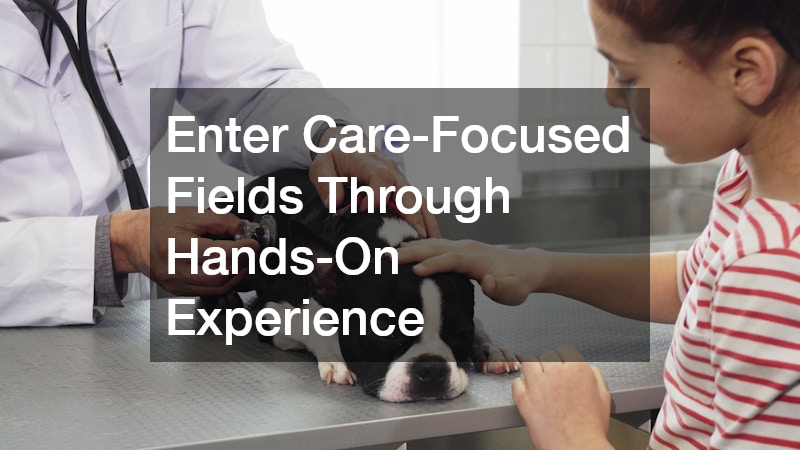
Programs focused on animal care services offer structured opportunities to work directly with animals while learning essential care techniques, such as proper handling, nutrition management, health monitoring, and behavior assessment. Additionally, these programs often teach client communication, safety protocols, and operational procedures, preparing learners to engage professionally with pet owners and colleagues. Experiencing diverse settings, from veterinary clinics to shelters and boarding facilities, exposes learners to the range of responsibilities they may encounter in the field.
Hands-on training also helps cultivate empathy and emotional intelligence, qualities that are critical when caring for vulnerable or stressed animals and addressing client concerns. By integrating supervised practice with feedback from experienced professionals, learners can refine their skills, develop confidence, and build a sense of responsibility. Ultimately, entering care-focused fields through experiential learning equips individuals with the competence, judgment, and interpersonal skills needed to succeed in dynamic, service-oriented careers.
Strengthen Communication and Conflict-Resolution Skills
Soft skills are increasingly valuable across industries, particularly in roles involving collaboration, caregiving, or leadership. While technical expertise is essential, employers consistently emphasize the importance of effective communication, empathy, and the ability to navigate interpersonal challenges. Programs that focus on developing these competencies help learners stand out in competitive job markets by enhancing professional effectiveness and improving workplace relationships. Strong communication skills also contribute to team cohesion, client satisfaction, and organizational productivity, making them critical for long-term career success.
Formal mediation training equips learners with techniques for conflict resolution, active listening, and negotiation, providing practical tools to manage disagreements constructively. Participants learn to identify underlying issues, facilitate productive dialogue, and create mutually beneficial outcomes. These abilities are particularly valuable in high-stakes or emotionally charged environments, such as healthcare, education, or corporate settings, where conflicts can directly impact outcomes and morale.
Beyond resolving disputes, mediation training strengthens broader interpersonal skills, including empathy, cultural sensitivity, and assertiveness. Professionals who cultivate these competencies are better equipped to lead teams, mentor colleagues, and build trust with clients or stakeholders. By integrating mediation techniques into daily practice, learners can transform challenging situations into opportunities for collaboration and growth. Ultimately, investing in communication and conflict-resolution training empowers individuals to navigate complex workplace dynamics, foster positive relationships, and enhance both personal and organizational success.
Gain Entry Into Healthcare Through Targeted Certification
Healthcare roles often require specific credentials that demonstrate readiness for patient-facing responsibilities. Skill-based certification programs provide a direct pathway into the field by focusing on practical competencies rather than lengthy academic theory. This approach allows learners to enter healthcare settings more quickly while still meeting industry standards for safety, professionalism, and quality of care. For individuals drawn to helping others, targeted certifications offer a meaningful way to begin a healthcare career without committing to years of schooling upfront.
Earning a patient care technician certification prepares learners for hands-on clinical support roles by teaching essential skills such as monitoring vital signs, assisting with mobility and daily activities, maintaining patient comfort, and following infection-control protocols. Training often includes supervised clinical experiences, which help learners gain confidence interacting with patients and collaborating with healthcare teams in real-world environments.
These programs are ideal for individuals seeking stable, in-demand careers with opportunities for advancement within healthcare systems. Entry-level roles gained through certification can serve as stepping stones to further education in nursing, allied health, or specialized care fields. Additionally, the experience gained on the job provides valuable insight into different healthcare settings, helping individuals make informed decisions about long-term career goals. Targeted certification not only opens the door to immediate employment but also creates a flexible foundation for continued growth in a rapidly expanding industry.
Choose Community-Based Education for Flexible Skill Building
Accessible education environments play a critical role in supporting lifelong learning and career transitions. Community-focused programs make skill development attainable for diverse populations by removing many of the traditional barriers associated with higher education, such as high costs, rigid schedules, and long-term commitments. These programs are especially valuable for working adults, caregivers, and individuals reentering the workforce who need education options that adapt to their lives rather than the other way around.
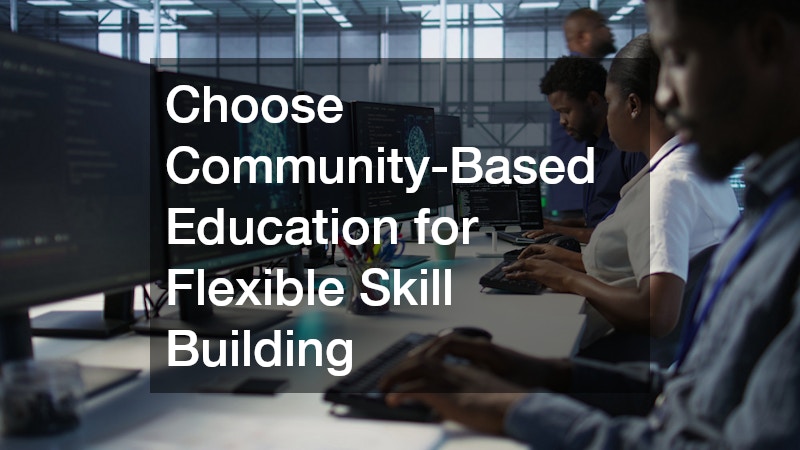
Local learning centers offer workshops, certifications, and continuing education across multiple disciplines, allowing learners to build skills incrementally and with a clear purpose. Instruction is often designed around practical application, ensuring that participants can immediately apply what they learn to real-world situations. Many centers collaborate with local employers and organizations, which helps align training with regional workforce needs and increases employability after completion.
Flexible scheduling, including evening and weekend classes, makes it easier to balance education with work or family responsibilities. Affordable tuition and shorter course durations also reduce financial risk, enabling learners to explore new fields or upgrade existing skills without committing to extensive programs. Beyond technical instruction, these community-based environments often foster networking, mentorship, and peer support. This sense of connection encourages continued learning and helps individuals stay motivated as they adapt their skills to evolving career goals at any stage of life.
Skill-based training programs offer practical, adaptable pathways into today’s evolving workforce. By focusing on hands-on learning, real-world application, and targeted skill development, these programs empower individuals to build careers aligned with their strengths, interests, and personal goals. Instead of spending years in purely academic settings, learners gain experience that mirrors actual job responsibilities, allowing them to transition into the workforce with confidence and clarity. This approach not only shortens the learning curve but also helps individuals see immediate value in their education.
Whether entering a new field or refining existing expertise, learners who approach skill-based education strategically can achieve long-term success without relying on traditional degree models. These programs support career flexibility by making it easier to pivot as industries evolve, technologies advance, or personal priorities change. Many skill-based paths also encourage continuous learning, enabling professionals to stack new competencies over time rather than starting from scratch.
As industries increasingly prioritize capability over credentials, employers are placing greater value on demonstrable skills, adaptability, and problem-solving ability. Skill-driven training meets this demand by producing job-ready professionals who can contribute from day one. For individuals seeking meaningful, sustainable careers, investing in skill-based education remains one of the most effective and future-focused choices available.