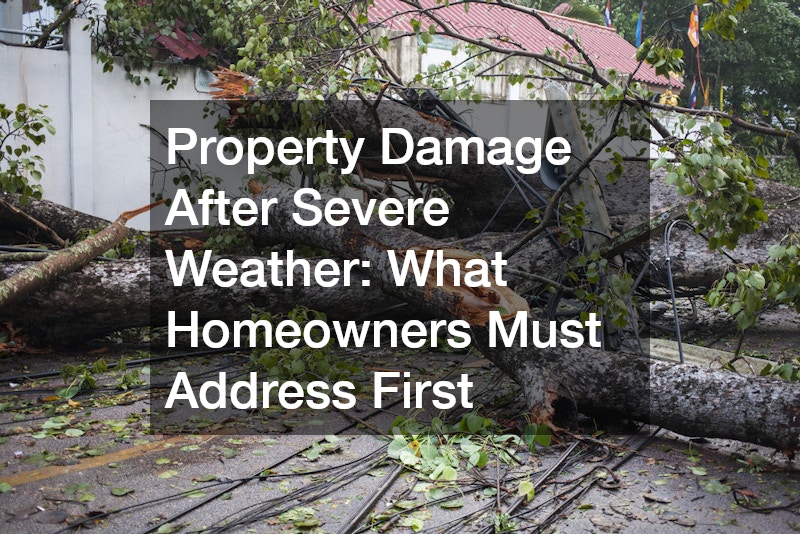
A severe storm can turn your home upside down in a matter of minutes, leaving you unsure of where to even begin. Between fallen branches, water stains, and missing shingles, it is easy to feel overwhelmed and delay action that actually needs to happen quickly. Knowing the right order of operations after a storm can save you thousands of dollars and prevent small issues from becoming major structural problems. This guide walks you through exactly what to check, document, and repair first so you can protect your family and your investment.
Confirm Your Family and Home Are Safe Before Inspecting Damage
Before you think about repairs, make sure the immediate area around your home is safe to walk through. Downed power lines, gas leaks, and unstable trees pose serious risks in the hours after a storm, and rushing outside to assess damage can lead to injury. Walk the perimeter slowly and look up before you look down, since damaged branches or loose gutters can fall without warning.
If you smell gas, hear buzzing near electrical lines, or notice structural sagging in your roofline, stay back and contact emergency services immediately. Only once the property is confirmed safe should you move into the documentation and repair-planning phase.
Document Every Visible Sign of Storm Damage

Insurance claims move faster and more smoothly when you have thorough documentation from the very beginning. Walk around your property with a phone or camera and photograph everything, including areas that seem minor, since some damage becomes more obvious after a few days.
Start with the exterior, working systematically from the roofline down. Capture missing or curled shingles, dented gutters, cracked siding, damaged fencing, and any debris that landed on your property. Wide shots showing the overall scope of damage are just as important as close-ups that reveal fine detail like hairline cracks or water stains.
Don’t stop at the obvious problem areas. Check windows, doors, decks, HVAC units, and detached structures like sheds or garages, since insurers often scrutinize claims that seem to overlook secondary damage. Take timestamped photos or videos, and jot down brief notes describing what you’re seeing and when you noticed it.
Keep a running log as you go, since a simple spreadsheet or notes app entry listing the date, location, and description of each item can save hours later when you’re filling out claim forms. Revisit the property again within a few days, since moisture intrusion, mold, and structural shifts often take time to surface and may not appear in your initial walkthrough.
- Take wide shots of the entire roofline, siding, and yard, including neighboring structures for context
- Zoom in on cracked shingles, dented gutters, and broken windows, using a ruler or coin for scale on close-ups
- Photograph water stains on ceilings and walls inside the home, along with any sagging drywall or bubbling paint
- Check attics, crawl spaces, and basements for hidden leaks or mold starting to form
- Keep a written log of dates, times, and weather conditions, noting wind speed or hail size if reported locally
- Save receipts for any temporary repairs or emergency purchases, such as tarps, plywood, or wet-vac rentals
- Back up all photos and videos to cloud storage or email them to yourself in case your phone is lost or damaged
Inspect the Roof for Missing or Damaged Shingles
The roof usually takes the brunt of storm impact, so it deserves close attention early on. Look for shingles that are cracked, curled, or completely missing, as well as granules collecting in gutters or downspouts, which often signal deeper wear. If you are not comfortable getting on a ladder, binoculars from the ground can help you spot obvious problem areas without putting yourself at risk.
A quick roof repair after a storm can often prevent a small leak from turning into rotted decking or mold growth inside the attic. Many homeowners try to patch things themselves, but a professional roofing company will know how to identify hidden damage that is not visible from the ground, such as lifted flashing around chimneys or vents.
Check Gutters, Downspouts, and Drainage Paths
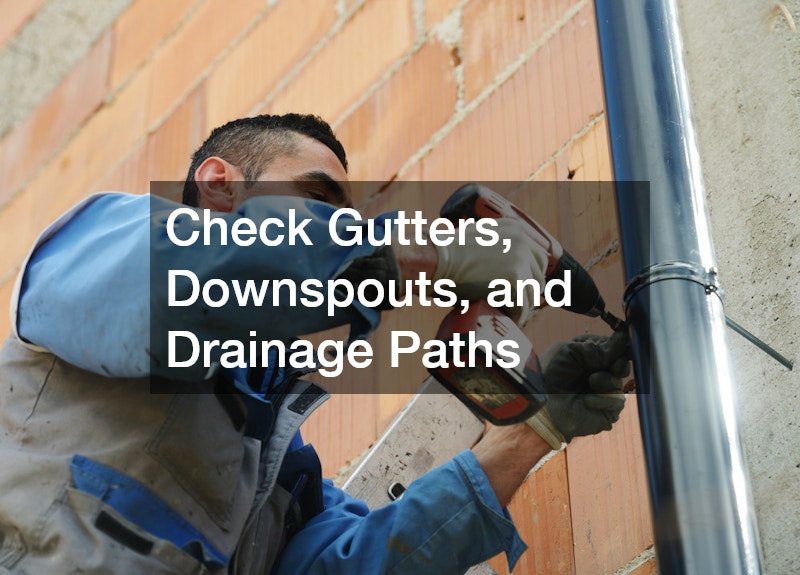
Storm debris frequently clogs gutters and downspouts, which can cause water to back up under roofing materials or pool near your foundation. Clear out leaves, branches, and shingle granules as soon as it is safe to do so, and watch how water flows during the next rain to confirm drainage is working properly. Standing water near your foundation is one of the fastest ways to develop long-term structural issues, so this step should not be delayed.
- Remove visible debris from gutters and downspout openings
- Check that downspouts direct water at least three feet from the foundation
- Look for sagging gutter sections pulling away from the fascia
- Note any dents or disconnected joints for later repair
Assess Siding, Windows, and Exterior Walls
High winds and hail can crack siding, shatter windows, and loosen exterior trim, creating entry points for moisture that lead to mold, rot, and costly structural repairs if ignored. Walk the full exterior of your home in daylight, checking each wall section by section rather than glancing from a distance. Press gently on any siding that looks warped, bowed, or discolored, since soft or spongy spots can indicate water has already gotten behind it.
Pay close attention to seams, corners, and areas around utility lines or vents, as these are common weak points where wind-driven rain forces its way in. Missing or cracked caulking around window and door frames is another red flag, often signaling a gap as small as an eighth of an inch that’s still wide enough to let water seep through during the next storm.
Cracked window seals are easy to overlook but can lead to fogging between panes, noticeable drafts, and eventual frame rot if left unaddressed for more than a season. Also check for hairline cracks in glass, which may not shatter immediately but can spread with temperature changes and compromise the window’s integrity. If you spot dented aluminum siding, chipped paint on wood siding, or granule loss on nearby roofing that matches the wall’s exposure, note it as evidence of hail impact for insurance documentation.
Once the immediate storm damage is documented, walk the exterior methodically. Check siding for cracks, warping, or missing panels, and look closely at seams where water can sneak behind the surface. Inspect windows for broken seals, fogging between panes, or frames that no longer sit flush, since these issues often lead to hidden leaks. Don’t overlook exterior walls for hairline cracks or soft spots, which can signal moisture intrusion that isn’t visible at first glance.
If your home needs significant exterior work beyond simple patching, this is often the point where homeowners start thinking about broader remodeling rather than piecemeal fixes. For example, replacing a single damaged window might cost a few hundred dollars, but if three or four windows need attention, bundling that work with new siding or updated trim can reduce labor costs and minimize repeat disruptions to your property.
Combining storm repairs with planned updates can be more cost effective than tackling each damaged section separately over time. It also gives you the chance to upgrade materials, such as switching to impact-resistant siding or energy-efficient windows, so your home is better protected against the next severe weather event.
Evaluate Flat Roof Sections on Additions or Garages

Many homes have a flat or low-slope section over a garage, sunroom, or addition, and these areas are especially vulnerable to pooling water after heavy rain. Check for bubbling, cracking, or soft spots in the membrane, since these signs often mean water has already penetrated the surface layer. Flat roofs require different materials and repair techniques than sloped shingle roofs, so it helps to understand what you are dealing with before attempting any fix.
TPO roofing contractors specialize in this exact type of membrane system and can identify seam separations or punctures that are easy to miss during a casual inspection. Catching these issues early is far less expensive than waiting until water damage spreads into the interior ceiling or walls below. Ask TPO roofing contractors for help!
Look for Water Intrusion Inside the Home
Interior damage is not always obvious right away, so check ceilings, attic spaces, and upper-floor closets for discoloration, soft drywall, or a musty smell. Water can travel along framing before it shows up as a visible stain, meaning the source of a leak is sometimes several feet away from where damage first appears. Mold can begin developing within 24 to 48 hours of moisture exposure, so this step needs attention quickly rather than being pushed to the bottom of your list.
- Check attic insulation for damp or matted spots
- Look for peeling paint or bubbling drywall on ceilings
- Smell for musty odors in closets and corners
- Inspect around light fixtures and vents for staining
Get Multiple Repair Estimates Before Committing to Work

Once damage has been documented and temporarily secured, it is worth gathering a few opinions before signing any repair agreement. Local roofers often have busy schedules after a major storm, so estimates may take longer than usual, but rushing into a contract with the first available crew can lead to overpaying or receiving lower-quality materials. Compare not just price but also warranty terms, materials used, and expected timelines.
For homeowners specifically dealing with roof damage, reaching out to a few local residential roofing companies allows you to compare workmanship and communication style before making a decision. A reputable contractor will walk you through their findings, explain what is covered by insurance, and answer questions without pressuring you into immediate work.
Understand the Difference Between Repair and Full Replacement
Not every storm-damaged roof needs to be torn off and replaced, but knowing when repair is not enough matters for both safety and long-term cost. If damage is widespread across multiple sections, if the roof was already near the end of its lifespan, or if structural decking has been compromised, a full replacement may be the more sensible choice. Roofing contractors can help evaluate the extent of the damage relative to the age and condition of the existing materials.
For business owners or homeowners with larger structures, commercial flat roof replacement is sometimes necessary when membrane damage is too extensive for patch repairs to hold up long term. Whether residential or commercial, the goal is the same: avoid spending money on temporary fixes when a more permanent solution will save money over the next several years.
Address Damage to Detached Structures and Recreational Vehicles
Homeowners often focus entirely on the main house and forget about garages, sheds, and parked vehicles that may have also taken storm damage. RVs in particular are vulnerable to hail and falling debris because their roofing materials are typically thinner and more lightweight than standard home roofing. Checking these structures early prevents small issues, like a cracked vent cover or seam separation, from turning into significant water damage during the next rainfall.
If you store a camper or motorhome on your property, arranging local RV roof repairs soon after a storm can prevent moisture from seeping into interior walls and flooring. These repairs are often quick when caught early, but neglecting them can lead to costly interior rebuilds down the road.
Plan for Long-Term Roof Health After Repairs Are Complete
Once immediate storm damage has been addressed, it is worth thinking about the long-term condition of your roof rather than simply moving on. Regular inspections, especially after future storms, help catch small problems before they escalate. Keeping a maintenance schedule also extends the life of new materials and protects the investment you have just made in repairs.
If your roof is aging or has sustained damage from multiple storms over the years, it may be time to start budgeting for future roof installations rather than continuing to patch the same problem areas repeatedly. Planning ahead financially makes the eventual replacement far less stressful when the time finally comes.
Storm damage can feel overwhelming, but breaking the process into clear steps makes it manageable and helps you avoid costly mistakes. Start with safety, move into thorough documentation, and address roofing and water intrusion issues before they spread further into your home. Getting professional input early ensures you understand your options and are not left guessing about the true extent of the damage. Taking action now protects both your property and your peace of mind for the next storm season.