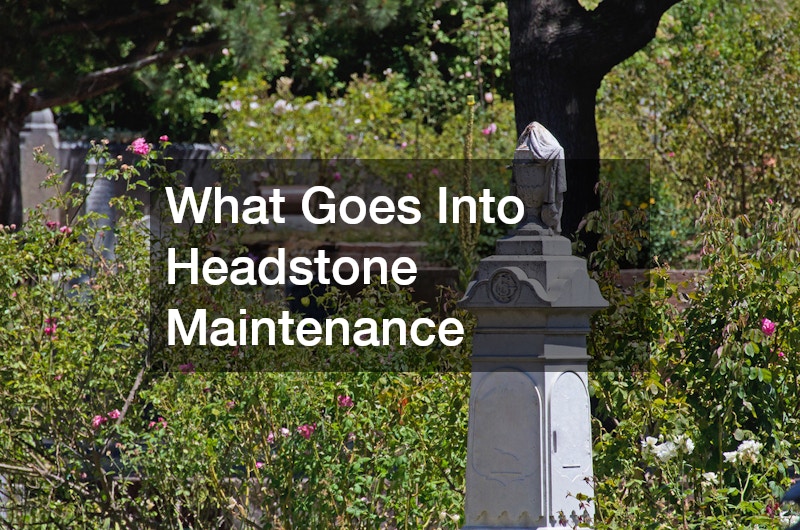
Headstone maintenance is crucial in preserving heritage and honoring loved ones. It helps maintain family history and community heritage, offering a lasting tribute to past generations. Regular care prevents deterioration from environmental factors, vandalism, and time.
This article explores effective maintenance techniques.
Headstone Maintenance Frequency
Environmental Impact
Environmental conditions significantly affect maintenance needs. Weather like rain, snow, and sunlight accelerates wear. Acid rain and pollution increase the need for upkeep. Understanding conditions helps establish a maintenance schedule.
Recommended Schedules
Inspect headstones twice a year in spring and fall. High-impact areas may need quarterly checks. Regular cleaning prevents small issues from becoming large problems, preserving the monument.
Signs of Needed Maintenance
Signs like moss, lichen, fading inscriptions, and cracks signal the need for immediate care. Addressing these prevents costly future restorations.
Professional Cleaning Frequency
Periodic professional cleanings ensure thorough care. Professionals use specialized equipment, addressing deep-set stains and structural repairs. Cemetery staff can recommend schedules based on conditions.
DIY Maintenance Frequency
Avoid frequent cleaning to prevent stone erosion. Incorporate gentle methods and balance DIY efforts with professional consultations for effective upkeep.
Safe Cleaning Products
Identifying Headstone Material
Know the headstone’s material, such as granite, marble, limestone, or bronze, for compatible cleaning products. Different stones have specific care needs. Understanding the material will help determine the best preservation techniques for longevity.
Recommended Solutions
Granite needs mild soap and water. Marble and limestone require gentle cleaners, while bronze benefits from waxing to prevent corrosion. Rinse thoroughly after cleaning. Regular maintenance prolongs the headstone’s aesthetic appeal and structural integrity.
Products to Avoid
Avoid household cleaners like bleach, ammonia, acidic products, abrasive tools, and high-pressure washers to protect the stone. Using unsuitable products can cause irreversible damage to the surface.
Natural Alternatives
Environmentally friendly options include biodegradable soaps and baking soda paste. Avoid vinegar for softer stones. Lemon oil can polish bronze. These eco-friendly solutions safeguard both the stone and the surrounding environment.
Professional vs. Commercial Products
Professionals use specialized products, and while commercial cleaners exist, ensuring compatibility is vital. For significant challenges, professional input may be best. Consulting a specialist can provide tailored advice and advanced techniques for preservation.
Weather Protection
Weather Impacts
The weather contributes to wear. Freezing expands water, causing cracks, while UV causes fading. Rain promotes biological growth. Protect headstones based on weather impact. Recognizing and mitigating these impacts helps preserve the stone’s integrity over time.
Sun Damage Prevention
Apply UV-resistant sealants to mitigate sun damage. Ensure sealants are breathable. Regular reapplication maintains appearance. Test a small area first to ensure color consistency. Consistent protection from the sun ensures that engraving details remain visible.
Rain and Moisture Protection
Waterproofing repellent prevents water absorption. Trim surrounding vegetation for airflow. Avoid sprinkler exposure. Inspect for leaks or weaknesses after heavy rain. Addressing moisture issues promptly helps avert long-term damage and maintain structural soundness.
Winter Care
Use breathable, winter-proof sealant before winter. Avoid de-icing chemicals. Carefully remove snow with soft tools. Regularly check for icicles that might cause damage.
Protective Coatings
Coatings protect against rain, UV, and dirt. Reapply biennially, ensuring breathability to maintain appeal. Choose eco-friendly options to minimize environmental impact.
Tools and Equipment
DIY Maintenance Tools
Use soft-bristle brushes, non-abrasive cloths, buckets, soft sponges, and plastic scrapers. Use tools intended for construction or restoration tasks.
Special Equipment Use
Use low-pressure washers and special poultices for extensive cleaning under professional guidance. Calibrated equipment protects delicate carvings.
Safety Gear
Use gloves, eye protection, and proper lifting techniques. Wear long sleeves and sun protection when needed.
Renting vs. Purchasing Equipment
Renting equipment like pressure washers can be cost-effective for infrequent use. Investing in equipment may be efficient for ongoing maintenance.
Tool Maintenance
Clean tools after use and store them securely to prevent rust. Regular checks ensure tool efficacy.
Restoration and Longevity
Maintenance vs. Restoration
Maintenance preserves headstones; restoration returns them to otheir riginal appearances. Both extend longevity.
Material-Specific Restoration
Use material-specific techniques for care. Granite benefits from polishing, marble from poultices, and bronze from refinishing.
Professional vs. DIY Restoration
Professionals offer expertise for complex restorations. Weigh risks and historical significance in deciding between DIY and hiring professionals.
Historical Headstone Impact
Restoration enhances historical headstones, preserving details. Experts ensure heritage preservation without altering appearance.
Benefits of Regular Restoration
Regular restoration enhances appearance, prolongs lifespan, and preserves historical elements. Early intervention prevents total replacements.
Regular and informed maintenance preserves headstones as tributes to loved ones and historical heritage. Consistent care ensures they remain part of our shared narrative.