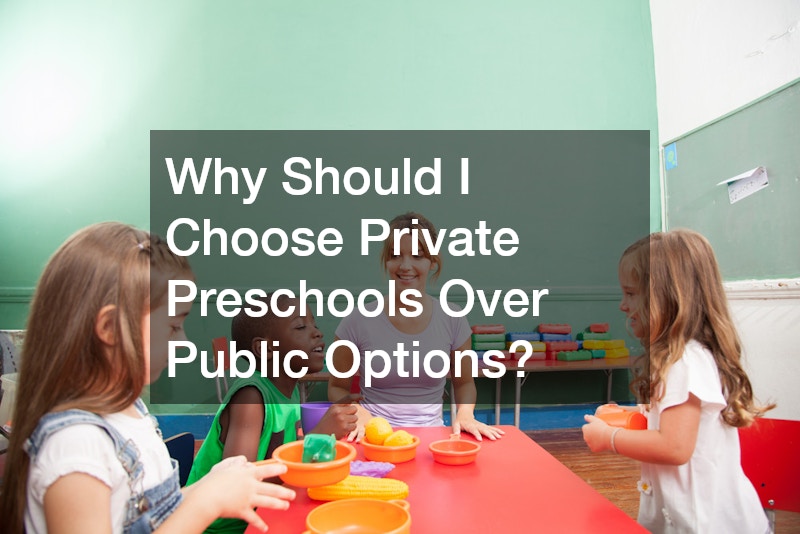
In the following article, we will delve into the considerations and benefits of choosing private preschools over public options, addressing common questions and providing valuable insights. The decision about where to place your child for their early education can significantly impact their development. It’s crucial to weigh the benefits of private and public preschools to make an informed choice. By examining various facets such as quality of education, cost, and emotional development, we aim to offer a comprehensive view.
This article seeks to empower parents with the knowledge needed to select the best preschool environment for their child.
1. What Are the Main Differences Between Private and Public Preschools?
Private and public preschools differ in numerous ways, influencing a parent’s decision-making process. One distinguishing factor is funding; private preschools operate on tuition fees, whereas public preschools are primarily funded by the government. This can affect resource availability, with private institutions often having access to more varied educational materials. Additionally, the class size is typically smaller in private preschools, allowing for more individualized attention. Understanding these differences is vital in assessing what aligns better with a family’s expectations and the child’s needs.
The curriculum in private preschools often offers more flexibility, enabling tailored educational approaches that may focus on specific learning theories or teaching philosophies. Public preschools typically follow standardized curricula dictated by educational authorities. This can result in differences in pedagogical methods and educational focus. For families interested in specific educational philosophies such as Montessori or Waldorf, private options may be more appealing. Considering these aspects helps parents determine what educational environment will best support their child’s growth and development.
Another significant difference is the level of parental involvement and oversight. Private preschools frequently encourage active participation from parents, offering opportunities to engage in school activities and decision-making processes. Public preschools might have more structured and defined boundaries between educators and families. This difference can be crucial for parents who value being heavily involved in their child’s educational journey. Ultimately, understanding these dynamics aids in evaluating which preschool model offers the preferred level of engagement and community for both parents and children.
2. How Does the Quality of Education Compare?
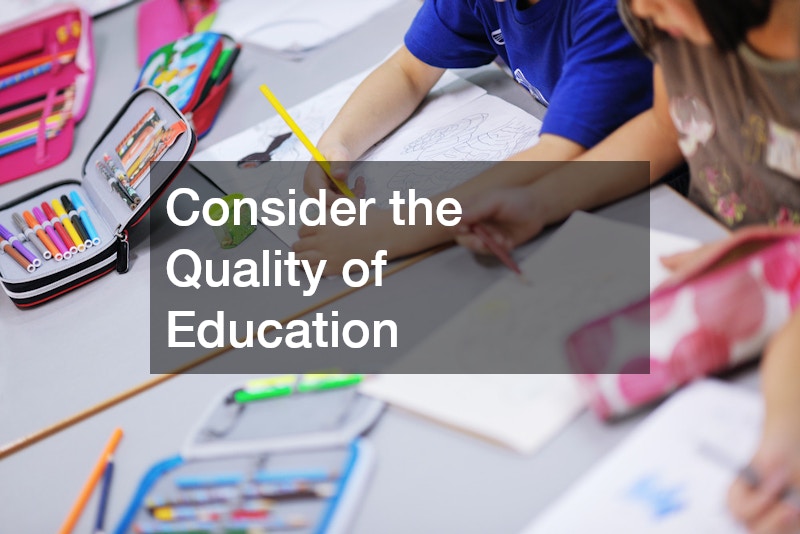
The quality of education in private preschools is often perceived to be higher due to the resources and specialized staff available. Private institutions usually have the means to employ highly qualified educators and invest in their professional development. This often translates to innovative pedagogical approaches and more personalized attention to each child’s educational needs. In contrast, public preschools might face limitations due to funding constraints, which can affect staff-to-student ratios and the breadth of curricular activities offered. Evaluating the quality of education is pivotal in choosing a preschool that meets the educational goals for your child.
Academic performance is another critical metric when comparing quality. Studies have shown that children in private preschools often outperform their public preschool peers in standardized tests and readiness assessments. This could be attributed to the enriched curriculum offered by private preschools, which goes beyond basic education to include art, music, and even foreign languages. Furthermore, the smaller class sizes in private settings allow teachers to quickly identify and nurture areas where a child excels or needs support. These factors contribute to a more robust education model that can cater to diverse learning styles.
Another aspect of quality pertains to extracurricular activities and overall child development. Private preschools usually offer a wide range of activities beyond academics, focusing on holistic child development. This includes emotional literacy programs, physical education, and community outreach initiatives that aren’t commonly found in public preschools. Such programs are designed to better equip children with life skills, preparing them both academically and socially for future educational settings. Parents seeking comprehensive development for their child might find these offerings a compelling reason to consider private preschools.
3. What are the Cost Implications of Choosing a Private Preschool?
The cost of private preschool education is a significant consideration for many families. Tuition fees for private preschools can vary widely, often influenced by the quality of facilities, location, and reputation of the institution. This financial commitment can be a burden for some families, requiring careful budgeting and long-term planning. While public preschools often provide lower-cost or free options, private preschools might offer financial aid or scholarship opportunities. It’s important for parents to evaluate the financial implications alongside the perceived benefits when deciding between private and public options.
In addition to tuition, there may be hidden costs associated with private preschools. Fees for materials, special programs, and extracurricular activities can quickly add up. Families need to consider these additional expenses when calculating the total cost of attendance. However, the investment in private preschool education can yield significant returns in the form of enhanced learning experiences and academic success. It’s a decision that requires balancing immediate financial impact with potential long-term educational benefits.
Some parents view the cost as a worthwhile investment in their child’s future, expecting that the educational advantages gained will lead to greater opportunities in subsequent schooling. In this context, private preschools are often considered prestigious, providing networks and opportunities that public schools may not. The exclusivity and individual attention could be attractive to families prioritizing specific educational outcomes. Parents should weigh these potential benefits against their financial capacity to ensure that their choice aligns with their broader financial goals and expectations.
4. How Does Private Preschool Impact Social and Emotional Development?
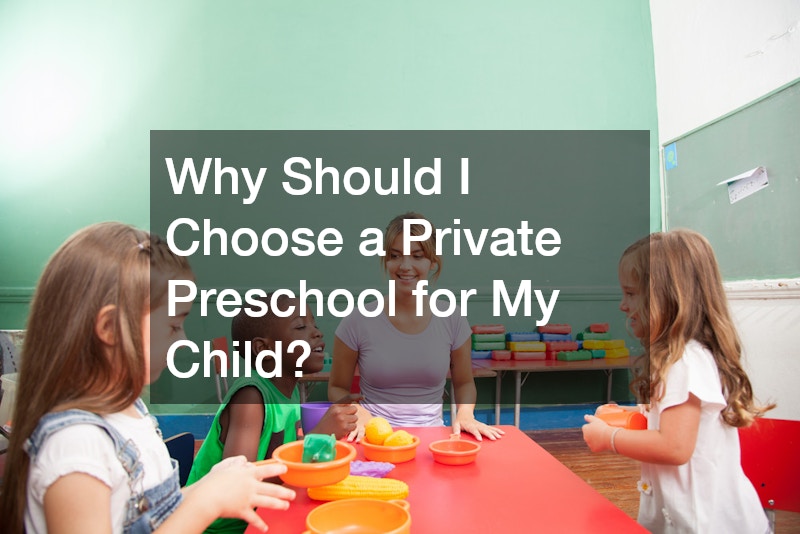
Social and emotional development is a fundamental component of early childhood education. Private preschools are often equipped to offer individualized attention, fostering a supportive environment for children to develop essential social skills. Teachers can closely monitor interactions and guide children in navigating relationships and conflicts. This personalized approach can help children build confidence and emotional intelligence from a young age. These foundational skills are crucial for success in later stages of their education and life.
The emotional curriculum in private preschools often includes structured programs focusing on empathy, cooperation, and emotional regulation. By incorporating these lessons into daily activities, private preschools aim to nurture well-rounded individuals capable of understanding and articulating their emotions. Emotional literacy is increasingly recognized as equally important as academic learning, providing children with tools to face challenges with resilience. This emphasis aligns with parents who value a balanced educational approach, supporting both cognitive and emotional growth.
Creating a sense of community and belonging is another hallmark of many private preschools. Smaller class sizes and active parent involvement foster tight-knit communities where children feel secure and valued. This nurturing environment encourages children to express individuality while respecting peers’ differences. Exposure to such dynamics enhances a child’s ability to adjust to different social settings, an advantage that can follow them throughout their educational journey. The sense of security and acceptance children feel in private preschools can be pivotal in shaping their social identities and interpersonal skills.
5. What Should Parents Consider When Choosing Between Private and Public Preschools?
Choosing between a private and public preschool requires a thorough evaluation of several key factors. Firstly, parents should consider their child’s specific learning style and personality, as this can influence how they respond to different educational environments. Private preschools may be better suited for children needing personalized attention, whereas public schools might fit those who thrive in diverse, larger group settings. Additionally, evaluating logistical aspects such as location and daily schedules plays a significant role in this decision. Compatibility with family routines and priorities is essential for seamless incorporation into daily life.
Beyond logistical considerations, parents must also reflect on their educational values and expectations. Factors like curricular preferences, the importance of extracurricular activities, and the level of parent involvement desired should all be contemplated. It’s beneficial to visit potential schools and engage with educators to get firsthand insights into the culture and learning environment. Comparing these factors with personal values and long-term educational aspirations will provide clarity. This due diligence ensures that the chosen preschool aligns with both the child’s needs and family expectations.
Finally, cost is an undeniable factor that needs careful assessment. Parents must realistically evaluate their financial capacity, considering both immediate costs such as tuition and long-term impacts. Weighing financial commitments against perceived educational benefits ensures a balanced perspective when making this critical choice. Additionally, gathering feedback from other parents and considering long-term educational standards can provide further guidance. An informed decision involves examining all these aspects to select the preschool environment that best supports the family’s educational and financial goals.
Making a decision about preschool education involves careful consideration of multiple factors. This article provides a framework to assist parents in making an informed choice that aligns with their values and their child’s needs. By understanding the differences in curriculum, costs, and overall environments between private and public options, parents are better equipped to make a well-rounded decision. Each family’s circumstances are unique, and what works best for one may not suit another. Ultimately, the goal is to choose a preschool setting where the child can thrive both academically and socially, ensuring a solid foundation for future learning endeavors.